The magic behind every captivating digital world isn't just flashy graphics; it's the intricate dance of Gameplay Mechanics, Characters & New Stages that truly hooks us. From the subtle nuances of a character's jump to the sprawling vistas of an uncharted stage, these elements are the bedrock of immersion, challenge, and replayability. They represent countless hours of meticulous design, rigorous programming, and artistic vision, shaping our every interaction and emotion within a game.
This isn't merely about aesthetics; it's about the very engineering of enjoyment. The gaming industry, projected to hit $583.69 billion by 2030, thrives on this innovation, yet the journey from a brilliant idea to a beloved game is fraught with challenges. Did you know 90% of indie games fail commercially, often due to overlooking critical development stages? Understanding how these core elements are conceived, built, and refined offers a profound appreciation for the games we love and the future of interactive entertainment.
At a Glance: What Makes a Game Truly Great
- Gameplay Mechanics: These are the invisible rules that govern every action, from combat and movement to puzzles and dialogue. They define how you interact with the game world.
- Characters: More than just avatars, compelling characters offer unique abilities, backstories, and emotional connections, driving the narrative and player experience.
- New Stages (Environments): These aren't just backdrops; stages are designed to introduce fresh challenges, lore, and visual variety, constantly evolving the player's journey.
- The Development Journey: All three elements are deeply intertwined with the game development process, evolving from concept to final polish through seven distinct stages.
- Innovation is Key: Modern games push boundaries with adaptive AI, procedural generation, and dynamic environmental interaction to keep experiences fresh and engaging.
- Post-Launch Evolution: Games continue to grow post-release, with updates, DLC, and community engagement adding new mechanics, characters, and stages, ensuring long-term success.
The Grand Tapestry of Game Development: A Foundation for Fun
Before we dive into the specifics of mechanics, characters, and stages, it's crucial to understand the vast, often unseen, effort that brings them to life. Game development is a sprawling journey, far more intricate than simply writing code and drawing art. It's a structured process that moves from abstract ideas to concrete, playable realities, touching upon every facet of what makes a game engaging. The industry's massive valuation isn underscores the demand for quality, but the high failure rate for indie titles reveals the perils of skipping or underestimating any of these stages.
Every decision, from a character's jump height to a stage's architectural style, is a carefully considered step within a broader, meticulously planned framework. Think of it as an orchestra, where each section—designers, programmers, artists, sound engineers—plays a vital role in creating a harmonious, immersive experience.
Crafting the Core: Gameplay Mechanics from Concept to Code
Gameplay mechanics are the unsung heroes of any game, the foundational systems that dictate how players interact with the digital world. They are the rules, actions, and feedback loops that make a game playable, challenging, and, ultimately, fun. Without solid mechanics, even the most beautiful characters or expansive stages fall flat.
Conceptualizing the Interaction Loop
The journey of a game mechanic begins right at Conceptualization and Planning. Here, developers determine the game's genre—is it a fast-paced platformer, a tactical RPG, or a strategic simulator? This choice immediately dictates the type of mechanics that will be central. For a platformer, movement, jumping, and obstacle interaction are paramount. For an RPG, combat, inventory management, and dialogue trees take center stage. Brainstorming tools like MindMeister or Miro help map out these initial ideas, while competitor analysis ensures the game offers something unique or improves upon existing models.
A strong concept for mechanics considers clarity, balance, and depth. Players need to understand how to interact, the systems need to feel fair yet challenging, and there should be enough variety to maintain engagement over time.
Blueprinting the Systems: The Game Design Document (GDD)
During Pre-Production, abstract ideas transform into concrete plans. This is where the Game Design Document (GDD) becomes the Bible for all mechanics. It meticulously outlines everything:
- Core Gameplay Loops: What does the player do repeatedly? (e.g., explore, gather, craft, fight).
- Combat Systems: How do players engage enemies? (e.g., real-time, turn-based, projectile-based, melee). This includes damage calculations, ability cooldowns, and status effects.
- Movement & Navigation: How does the player move through the world? (e.g., walking, running, jumping, flying, driving, teleporting).
- Interaction Systems: How do players interact with NPCs, objects, and the environment? (e.g., dialogue choices, item usage, puzzle solving).
- Progression Systems: How do players get stronger or unlock new abilities? (e.g., experience points, skill trees, gear upgrades).
The GDD ensures that every team member understands how mechanics are supposed to function, preventing costly reworks later on. It's also where the choice of game engine (Unity, Unreal Engine, Godot) is critical, as each offers different strengths for implementing specific types of mechanics.
Bringing Mechanics to Life: Programming & Polish
Production is where the code truly breathes life into these planned mechanics. Programmers build the underlying systems:
- Input & Control: Ensuring responsive and intuitive controls for character movement, camera manipulation, and action inputs.
- Physics Engines: Implementing realistic (or stylized) physics for object interactions, character collisions, and environmental reactions. Imagine the satisfaction of destructible environments in a modern shooter, or the precise momentum of a platformer character.
- Artificial Intelligence (AI): Developing intelligent behaviors for Non-Player Characters (NPCs) – from enemy pathfinding and attack patterns to friendly companion logic and environmental reactions. Adaptive AI, a growing trend, allows enemies to learn from player tactics, making gameplay more dynamic and challenging.
This stage demands constant iteration and testing. A combat mechanic might sound great on paper, but only through repeated playtesting does its true balance and fun factor emerge. Developers use tools like Blender for 3D modeling and Audacity for sound effects, but it's the core programming that stitches these elements into a cohesive gameplay experience.
Modern Trends in Gameplay Mechanics
Today's games are pushing boundaries with innovative mechanics:
- Procedural Generation: Seen in games like No Man's Sky, this technique creates vast, unique worlds, items, or quests on the fly, offering endless exploration and replayability.
- Adaptive AI: As mentioned, AI that learns and adapts makes for more engaging and less predictable encounters.
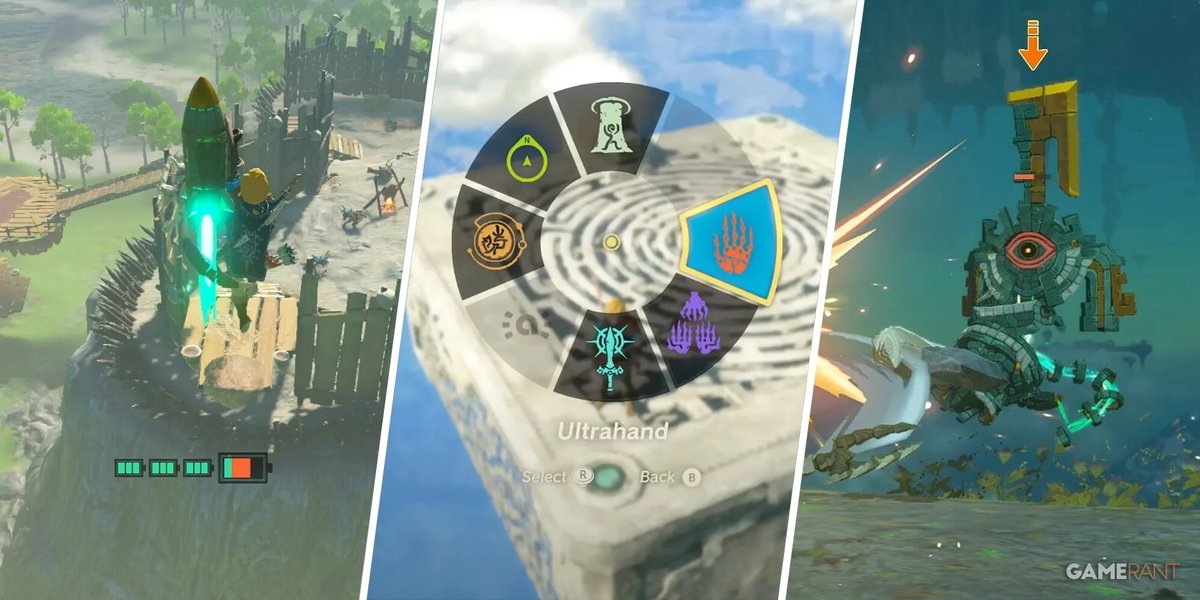
- Environmental Interaction: Games like The Legend of Zelda: Breath of the Wild allow players to manipulate the environment in creative ways (e.g., using physics to solve puzzles, leveraging weather effects). This blurs the lines between mechanics and stage design.
- Non-Linear Progression: Moving away from rigid paths, players can often choose their own adventure, tackling challenges in any order, which greatly enhances player agency.
These trends often lead to genre-blending hybrid systems, creating fresh experiences that defy traditional categorization.
Designing Compelling Characters: More Than Just Pixels
Characters are the heart and soul of many games, serving as our avatars, our allies, and our adversaries. They embody the narrative, deliver emotional impact, and often become iconic figures in gaming culture. Creating memorable characters involves a blend of artistic skill, narrative depth, and thoughtful integration with gameplay.
From Archetype to Avatar
In Conceptualization and Planning, the initial character ideas emerge. What role do they play? What's their core personality? What's their visual archetype? For a fighting game, distinct character silhouettes and recognizable move sets are paramount. For an RPG, deep backstories and branching dialogue options define the character. Art style (cartoon, realistic, pixelated) also heavily influences character design from the outset.
Detailing Personalities and Powers in Pre-Production
The GDD in Pre-Production fleshes out characters:
- Narrative & Lore: Backstories, motivations, relationships with other characters, and their place in the game's world.
- Visual Direction: Detailed descriptions or concept art for appearance, clothing, and accessories.
- Abilities & Skills: Unique powers, combat styles, and passive abilities that define their role in gameplay. For example, a character's core mechanics might revolve around stealth, magic, or brute strength.
- Animations: How they move, attack, express emotion – crucial for bringing them to life.
This stage is also about ensuring characters align with the game's technology stack. A highly detailed character might require a more powerful engine and advanced animation tools like Maya.
Bringing Characters to Life: Art, Animation, and AI
Production is where artists, animators, and programmers work in concert:
- Art & Visual Design: 2D or 3D character models are created using software like Blender or Maya. This includes intricate textures, rigging for animation, and ensuring consistent art direction. A character’s visual design directly communicates their personality and role.
- Animation: Animators create keyframes and motion-capture data to give characters fluid, expressive movements. A character's walk cycle, attack animations, or idle stances are all carefully crafted to convey personality and gameplay information.
- Programming & AI: Programmers implement character-specific mechanics (e.g., unique abilities, hitboxes for combat), while AI specialists define how non-player characters behave – whether they're formidable bosses, helpful companions, or passive bystanders.
The synergy here is vital. A character's cool design means little if their animations are clunky or their mechanics aren't satisfying to use. It's also where you might see the development of an iconic character, much like the one you can Explore Sonic X Shadow Generations Deluxe which showcases how deeply embedded characters are in a game's identity.
Beyond the Horizon: Engineering New Stages and Environments
New stages are more than just pretty backdrops; they are meticulously designed playgrounds that offer fresh challenges, expand the game's lore, and visually evolve the player's journey. Each stage presents unique opportunities for gameplay, character interaction, and environmental storytelling.
Imagining Worlds: Conceptualizing Environments
During Conceptualization and Planning, the broad strokes of stage design emerge. What kind of environments will the game feature? (e.g., ancient ruins, futuristic cities, alien landscapes, dense forests). How do these environments support the core gameplay mechanics and narrative? A puzzle game might require stages with intricate, interactive elements, while an open-world RPG needs vast, explorable spaces. Art style again plays a massive role, setting the visual tone for every stage.
Blueprinting Play Spaces in Pre-Production
The GDD is critical for stages, outlining:
- Level Layouts: Detailed maps showing player paths, enemy placements, secret areas, and objective locations.
- Environmental Features: Specific elements like destructible objects, interactive puzzles, unique hazards, and aesthetic landmarks.
- Lighting & Atmosphere: How the stage is lit, weather effects, and general mood.
- Narrative Integration: How the stage tells part of the game's story or reveals lore.
Consider the platform planning – whether a stage is designed for mobile, PC, or console significantly impacts its complexity, detail, and scale due to hardware limitations.
Constructing Digital Worlds: Art, Physics, and Sound
Production is the longest stage for stages, bringing them to life:
- Art & Visual Design: Environment artists use tools like Blender or Maya to create 2D/3D models for buildings, terrain, props, and natural elements. Textures, materials, and lighting artists then bring these assets to life, ensuring consistent art direction.
- Programming & Game Mechanics: Programmers implement environmental interactions (e.g., climbable surfaces, dynamic water, physics-driven obstacles). This also includes setting up collision detection, pathfinding for AI, and integrating specific stage-based mechanics (e.g., portal systems, gravity manipulation zones).
- Sound, Music, and Audio Integration: Sound designers create ambient soundscapes (wind, water, distant city noise), localized sound effects (a creaking door, a buzzing fly), and dynamic music that shifts with the player's progression or intensity of action within a stage. Audio middleware like FMOD or Wwise helps achieve this immersive experience.
The goal is not just a visually appealing space, but one that actively enhances gameplay, poses new challenges, and feels like a coherent part of the game world. Think of the environmental puzzles in The Room VR: A Dark Matter or the vast, resource-rich forests of Sons of the Forest.
The Unsung Hero: How Testing Refines Your Experience
Even the most brilliant gameplay mechanics, charismatic characters, and breathtaking stages can be ruined by bugs or poor design. This is where Testing & Quality Assurance (QA) steps in, a crucial stage often overlooked but vital for delivering a polished product.
QA testers relentlessly check:
- Functional Testing: Do all mechanics work as intended? Does the character perform actions correctly? Can players traverse every part of a stage without falling through the world?
- Usability Testing: Are controls intuitive? Are character abilities easy to understand? Are menus clear, and is navigation through stages logical?
- Performance Testing: Does the game maintain a smooth frame rate across all stages? Do character models load quickly? Is memory usage optimized, especially for vast open-world stages?
- Playtesting: Most importantly, real players provide feedback on whether the mechanics are fun, the characters feel right, and the stages are engaging and challenging without being frustrating. This feedback loop is essential for balancing abilities, tweaking enemy AI, and refining stage layouts.
Without this rigorous process, new mechanics might be broken, characters might clip through objects, or stages might have unfair difficulty spikes. Bug tracking tools like Jira are indispensable here, ensuring every issue is logged and addressed.
The Endgame: Post-Launch Evolution and Fresh Content
A game's release is rarely its final form. Post-Launch Support is increasingly critical for longevity, driven by a continuous stream of new Gameplay Mechanics, Characters & New Stages. This phase keeps the community engaged, attracts new players, and often defines a game's long-term success.
- Updates and Fixes: Beyond critical bug fixes, post-launch updates often introduce quality-of-life improvements to existing mechanics, balance character abilities based on player data, and optimize stage performance.
- Expand through Fresh Content (DLC): Downloadable Content (DLC) is a primary vehicle for adding new content. This could mean:
- New Mechanics: Introducing entirely new combat systems, crafting options, or traversal methods.
- New Characters: Expanding the roster with fresh protagonists, antagonists, or playable heroes, each bringing unique abilities and lore.
- New Stages: Unlocking entirely new regions, levels, or worlds to explore, complete with new environmental challenges and visual themes.
- Live Events and Seasonal Updates: Many games, especially online titles, use timed events to introduce temporary mechanics, unique character skins, or themed stage variations, encouraging players to return regularly.
- Community Feedback: Developers actively listen to player feedback via forums, social media, and in-game surveys. This direct communication helps prioritize which new mechanics, characters, or stages the community most desires. Games like Call of Duty: Warzone 2.0 constantly evolve their maps and introduce new weapons (mechanics) based on player engagement.
Strategic longevity planning, backed by analytics on player behavior, ensures that new content additions are meaningful and keep the game feeling fresh, demonstrating a commitment to continued value.
Currents and Crossovers: Mechanics Shaping Tomorrow's Games
The gaming landscape is constantly shifting, with innovative Gameplay Mechanics, Characters & New Stages at the forefront. As technology advances, so too does the potential for immersive and dynamic experiences. We're seeing more games blend genres, taking the best elements from various categories to create unique hybrids.
For instance, while Simulation Games like Microsoft Flight Simulator 2024 focus on realistic mechanics and vast, true-to-life stages, and Role-Playing Games like Final Fantasy XVII delve deep into character development and narrative choices, elements from these genres often cross over. A modern RPG might incorporate simulation elements, or a strategy game might feature highly individualized characters with distinct skill trees.
Battle Royale Games (Call of Duty: Warzone 2.0) thrive on constant map updates (new stages), weapon balancing (mechanics), and cosmetic character alterations. Fighting Games (Tekken 8) are defined by their intricate character move sets and the unique environmental interactions of their stages. Even Racing Games (Forza Motorsport 2025) are pushing boundaries with realistic physics engines (mechanics) and incredibly detailed track environments (stages).
The future promises even more procedural generation, more adaptive AI, and deeper environmental interactivity. Imagine stages that dynamically restructure based on your playstyle, or characters whose personalities and abilities genuinely evolve through player interaction.
Your Guide to Navigating New Releases
Understanding the intricate process behind Gameplay Mechanics, Characters & New Stages doesn't just demystify game development; it enhances your appreciation for every new title you encounter. When you pick up a new game, try looking beyond the surface:
- Analyze the Mechanics: How intuitive do they feel? What makes them unique? Do they offer depth and challenge, or are they overly simplistic? Consider how they evolve as you play.
- Evaluate the Characters: Are they just avatars, or do they possess personality, lore, and a believable role in the world? Do their abilities align well with the core mechanics?
- Explore the Stages: Do the environments feel alive? Do they offer unique challenges, encourage exploration, and tell a story through their design? How do new stages introduce fresh gameplay elements?
- Consider the Polish: Are the transitions smooth? Do the controls feel responsive? This reflects the meticulous work done in testing and pre-launch optimization.
- Look for Post-Launch Commitment: Does the developer have a clear plan for updates, DLC, and community engagement? This is a strong indicator of a game's long-term value and evolution.
By engaging with games on this deeper level, you're not just a player; you're a discerning connoisseur, better equipped to recognize and celebrate the artistry and engineering that define the next generation of interactive entertainment. The best games aren't just played; they're experienced, understood, and appreciated for the complex symphony of their mechanics, characters, and stages.